Wondering whether Foster City is better for lagoon-front living or a more traditional neighborhood setting? It is a smart question, because in Foster City, water is not just a view. It is part of how the city was planned, how people spend time outdoors, and how different homes can feel day to day. If you are comparing these two lifestyles, this guide will help you understand the tradeoffs so you can choose with more clarity and confidence. Let’s dive in.
Foster City’s layout shapes the decision
Foster City was designed as a planned community on reclaimed marshland, with nine residential neighborhoods, a Town Center, parks, waterfront lots, and an internal lagoon system for both recreation and drainage. That original design still affects how the city lives today. Most residential neighborhoods include a mix of single-family homes, townhomes, and condominiums or apartments.
The lagoon is central to that experience. It serves as both a man-made detention basin and a recreational feature, with about 16.5 miles of shoreline, seven shoreline parks, public launch ramps, and many private docks. In practical terms, your housing choice in Foster City often comes down to whether you want to live directly on that water system or enjoy it from the broader neighborhood network.
No matter where you live in the city, outdoor access is part of daily life. Foster City has 24 parks and 8 miles of levee pedway, which connects residents to the Bay Trail and supports walking, running, biking, and skating. That means both lagoon-front and interior homes benefit from a strong park-and-path system.
Lagoon-front living in Foster City
What daily life can look like
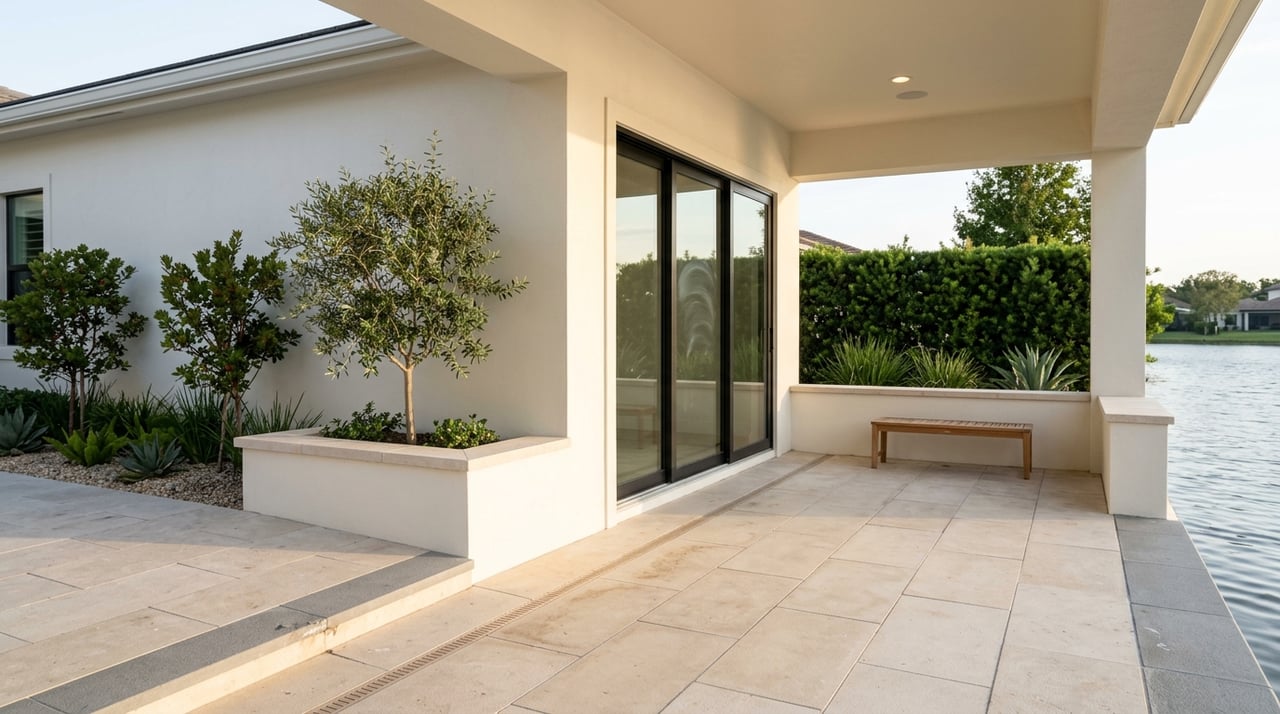
Lagoon-front homes offer the closest thing to waterfront living in Foster City. The lagoon meanders through residential areas, and the city supports water activities such as swimming, kayaking, paddleboarding, windsurfing, and electric boating. For many buyers, that creates a calm, outdoor-focused routine that feels distinct from a standard neighborhood setting.
If you enjoy easy access to the water, this setup can be especially appealing. Foster City has two public boat ramps, and small boats may be launched from many locations. Leo J. Ryan Park also provides lagoon access, a boat launch, picnic areas, and other amenities along the water.
At the same time, the lagoon is designed for controlled recreation rather than high-speed boating. Gas- and diesel-powered boats are not allowed, vessels are limited to sail, electric battery, or human power, and the speed limit is 5 mph. The water level is also managed seasonally, with higher summer levels and lower winter levels to accommodate stormwater.
What ownership may involve
Lagoon-front ownership often comes with more shoreline-specific responsibilities. Much of the lagoon shoreline is privately owned, and many properties include private docks. The city’s lagoon management planning also notes ongoing issues tied to aquatic weeds, dock areas, coves, and shoreline conditions.
Residents may manually rake or net nuisance vegetation around docks and shorelines. City staff may also remove aquatic weeds around docks, coves, and infrastructure in certain cases. These details matter because waterfront ownership here is not only about the view. It can also involve more hands-on attention than an interior home.
Water quality is another factor to understand. San Mateo County Health regularly tests lagoon water, especially near beaches, and notices are posted when contamination risk is detected. The city also tracks conditions related to aquatic vegetation, runoff, landscaping inputs, and waterfowl.
Because the lagoon is shallow and managed, it helps to set the right expectations. The average depth is about six feet at summer level, so this is better suited to small craft and low-wake recreation than deep-water boating. In short, lagoon-front living is about calm local access and daily connection to the water.
Who it may suit best
Lagoon-front homes often appeal to buyers who prioritize water views, dock access, and outdoor entertaining. They can also be a strong fit if you want your home to feel visually tied to the lagoon every day. That lifestyle is distinctive, but it usually comes with a narrower type of water use and more site-specific upkeep.
Interior neighborhood living in Foster City
What daily life can look like
Interior homes in Foster City still benefit from the city’s water-and-park design, but the experience tends to feel more neighborhood-centered. The city’s original plan grouped homes into distinct residential neighborhoods that were intended to develop intact rather than around major commercial throughways. That planning approach still shapes a quieter residential feel in many parts of the city.
If you want outdoor access without owning shoreline frontage, interior living can be a compelling option. The levee pathway connects residents to the Bay Trail, and the city’s larger network of parks and open space supports everyday recreation. Shorebird Park, for example, offers Bay Trail access, views, benches, picnic tables, and a restroom, while Leo J. Ryan Park offers lagoon access and open lawn areas.
You also do not need lagoon frontage to enjoy the water. Foster City’s water activity concessions provide rentals and lessons for windsurf boards, pedal boats, kayaks, and stand-up paddleboards. That means many residents can enjoy the lagoon lifestyle without owning a waterfront property.
What ownership may involve
Interior homes generally avoid the dock, shoreline, and water-edge maintenance issues that can come with lagoon-front ownership. For many buyers, that can mean a more straightforward ownership experience. You still get access to the same citywide park and trail system, but without direct shoreline responsibilities.
Interior living may also offer more housing flexibility. Foster City’s community profile notes that most neighborhoods include a mix of housing types. If you are comparing single-family homes, townhomes, or condos, an interior search may open up more options within the same city framework.
Who it may suit best
Interior neighborhood living may work well if you want a lower-maintenance home, a more conventional residential setting, and easy access to parks and paths. It can also make sense if your priority is broader housing choice rather than direct lagoon frontage. For many buyers, that balance of convenience and flexibility is the main draw.
Comparing lifestyle and upkeep
When you compare these two settings, the real question is how you want to live day to day. Lagoon-front living puts the water right outside your door. Interior neighborhood living gives you access to the same larger city amenities with fewer shoreline-related obligations.
Here is a simple way to think about it:
| Lifestyle Factor | Lagoon-Front Home | Interior Neighborhood Home |
|---|---|---|
| Daily feel | Water-focused and view-oriented | Neighborhood-focused and park-connected |
| Water access | Direct access may include a private dock | Citywide access through parks, ramps, rentals, and lessons |
| Boating style | Small craft, low-speed, calm recreation | Shared public access to the same lagoon system |
| Maintenance | More shoreline and dock-related upkeep | Typically less waterfront-specific upkeep |
| Housing flexibility | More limited product type | Broader mix of homes, townhomes, and condos |
Neither option is universally better. The better fit depends on whether you value direct waterfront living enough to take on the added responsibilities that can come with it.
Resale and long-term enjoyment
Lagoon-front homes may carry a lifestyle premium because direct frontage is limited. Most of the shoreline is privately owned, and the lagoon system includes many private docks. That scarcity can support strong interest from buyers who specifically want views and direct water access, even if the buyer pool may be more specialized.
Interior homes may appeal to a wider range of buyers. They offer the same citywide setting, access to parks and pathways, and proximity to lagoon recreation, but in a format that may feel more familiar and lower maintenance. That broader appeal can matter if flexibility is important to you over the long run.
Long-term ownership in Foster City also includes climate resilience as a practical topic for both property types. The city’s Climate Action Plan states that 99% of the population lives within a sea-level-rise inundation area. The city also completed its Levee Improvements Project in February 2024 to increase levee height and width for storm and tide surge protection and future sea-level-rise resilience through 2100.
The city further states that levee certification means land within city limits continues to be classified as Zone X, where mandatory flood insurance is not required. Even so, buyers should verify parcel-specific details during the purchase process. That includes flood information, HOA documents if applicable, dock details where relevant, and title matters before closing.
How to choose the right fit
If you are deciding between lagoon-front and interior neighborhood living in Foster City, start with your routine rather than just the view. Ask yourself how often you expect to use the water, how comfortable you are with shoreline-related upkeep, and whether you want your home to feel centered on the lagoon or on the broader neighborhood fabric.
For some buyers, waking up to the water and having direct dock access is worth the added complexity. For others, the better choice is a home that offers easier maintenance and the flexibility to enjoy Foster City’s parks, paths, and lagoon amenities on their own schedule. The key is matching the property to the way you actually want to live.
If you want help comparing specific homes, neighborhoods, or ownership tradeoffs in Foster City, Lana Morin Pierce can help you evaluate the details with a clear, local perspective.
FAQs
What makes lagoon-front living different in Foster City?
- Lagoon-front living in Foster City offers direct water access, water views, and in some cases private docks, but it also comes with boating restrictions, shallow managed water, and more shoreline-specific upkeep.
Can you enjoy Foster City’s lagoon without living on it?
- Yes. Foster City offers public access through parks, boat ramps, rentals, and lessons for activities like kayaking, paddleboarding, pedal boating, and windsurfing.
Is Foster City’s lagoon open to motorboats?
- Foster City allows sail, electric battery, and human-powered vessels on the lagoon, but gas- and diesel-powered boats are prohibited and the speed limit is 5 mph.
Are interior homes in Foster City less maintenance-intensive?
- Interior homes generally avoid dock and shoreline responsibilities, which can make ownership simpler than lagoon-front properties while still providing access to parks, trails, and lagoon recreation.
What should buyers verify before buying in Foster City?
- Buyers should confirm parcel-specific flood details, HOA information if applicable, dock details for waterfront properties, and title matters before closing.