If your schedule revolves around flights, train times, or a daily drive across the Peninsula, where you live can shape how every week feels. You want a home base that makes travel easier without giving up the comfort of a real neighborhood. In Millbrae, that balance is a big part of the appeal. Here’s what to know if you’re considering Millbrae as a practical, well-connected place to live.
Why Millbrae stands out
Millbrae sits in a very strategic part of San Mateo County. The city describes itself as adjacent to SFO, between Interstate 280 and US 101, with downtown within a 3-minute walk of Millbrae Station. That location alone helps explain why Millbrae often stands out for people who fly often or need flexible commute options.
The city’s planning documents also make it clear that this is not just a stop along the way. Millbrae Station is designed as a seamless hub for BART, Caltrain, SamTrans, corporate shuttles, and future high-speed rail. If you regularly move between the Peninsula, San Francisco, and the airport, that kind of connectivity can make daily life feel more manageable.
Transit options in Millbrae
One of Millbrae’s biggest strengths is that you are not limited to just one way of getting around. That matters when your routine changes from day to day, or when you want backup options if traffic or timing shifts.
BART access for airport and city trips
Millbrae Station serves both the Antioch to SFIA/Millbrae line and the Richmond to Millbrae/SFIA line. BART also notes that the station has a cross-platform connection to Caltrain, which can make transfers more efficient than in places where systems feel disconnected.
For frequent flyers, BART is especially useful because it ties directly into the airport connection. The station also offers parking, bike racks, and 32 on-demand BikeLink lockers. That gives you a few practical ways to reach the station depending on how you prefer to travel.
Caltrain for Peninsula commuting
Caltrain formally lists Millbrae as a transfer point with BART. For many Peninsula commuters, that north-south rail access is one of the city’s clearest advantages.
If your work or routine takes you up and down the Peninsula, Millbrae gives you a rail option that can work alongside airport travel. Caltrain also highlights its broader connections with BART, Muni, SamTrans, and Bay Area airports, which reinforces Millbrae’s role as a flexible transfer point rather than a one-line stop.
SamTrans as a useful backup
SamTrans adds another layer of flexibility. Routes 292, 397, and ECR serve the station area, and SamTrans notes that routes 292, 397, and ECR OWL stop directly at SFO terminals.
That can be helpful if you do not want to drive, park, or rely on rideshare for every airport trip. For households with varied schedules, having a bus-based backup can make the overall transportation picture more resilient.
SFO connection without driving
For many buyers, the biggest question is simple: how easy is the airport run, really? SFO’s AirTrain runs 24 hours a day, with departures as often as every four minutes, and connects all terminals, parking garages, the BART station, and the rental car center.
SFO also notes that Caltrain access from the airport works via BART to Millbrae Station. In practical terms, that means you can reach the airport without needing to drive yourself there. If you travel often, that convenience can become part of your weekly routine instead of a special workaround.
Driving convenience matters too
Transit gets a lot of attention in Millbrae, but freeway access is part of the story as well. The city notes that it sits between Interstate 280 and US 101, which can give you options depending on where you are headed.
For some people, that means an easier drive to offices across the Peninsula. For others, it means more flexibility when rail schedules do not fit the day. If your work life mixes in-person meetings, airport pickups, and regional travel, having both freeway and transit choices is a real advantage.
Where different lifestyles fit
Millbrae is not one-note. The city’s planning documents show a mostly residential community with different housing patterns depending on where you look, which is helpful if you are trying to match your home to your travel routine.
Traditional residential areas
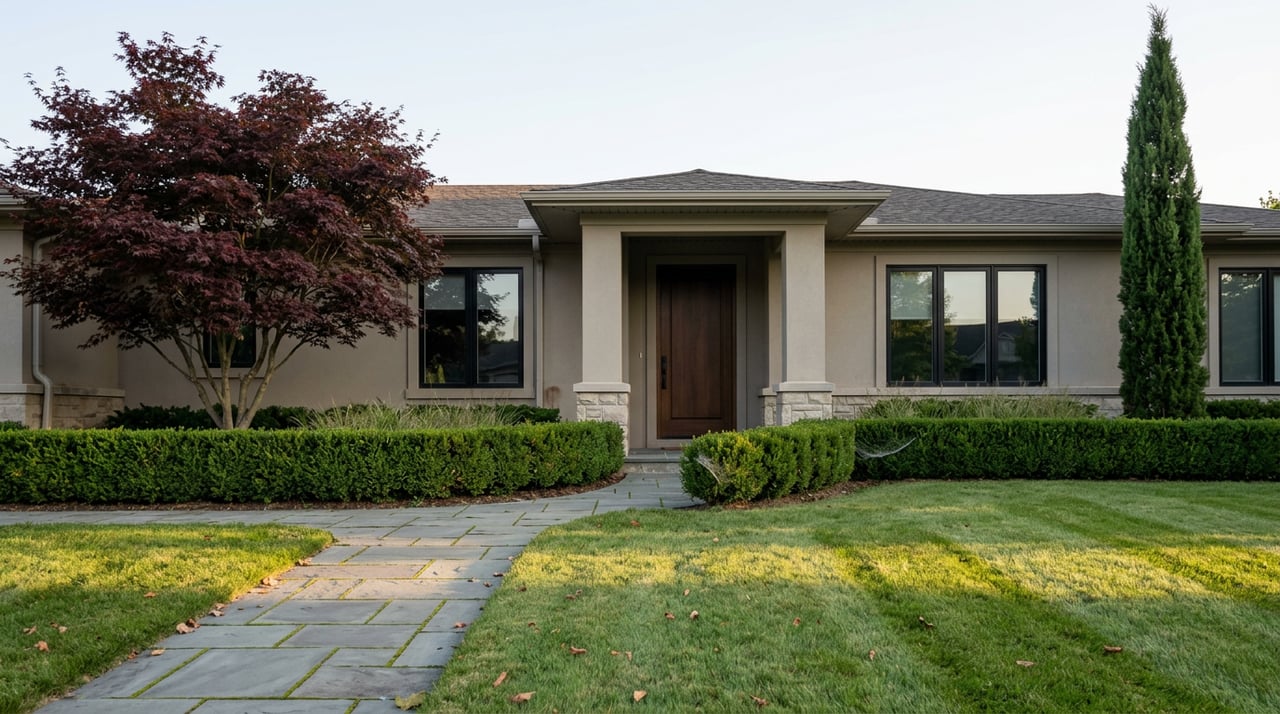
Millbrae’s General Plan says most residential neighborhoods are made up of one- to two-story single-family homes on roughly 5,000-square-foot lots. It also notes that hillside areas tend to have larger lots and homes.
If you want a setting that feels more established and residential, those inland and hillside areas may be the better fit. They support the idea that Millbrae can work for frequent travelers who still want a home environment that feels separate from the pace of transit and airport activity.
Downtown and corridor living
The city also notes that multifamily housing is concentrated in and around downtown and along El Camino Real, with densities ranging from about 25 to 130 units per acre. That is the strongest official indication that Millbrae offers more condo-friendly and urban-style living in specific areas.
If you want easier access to transit, lower-maintenance living, or a more walkable daily routine, downtown, El Camino Real, and the station area may be more appealing. These are the parts of Millbrae where the city has focused more mixed-use and transit-oriented planning.
What daily life feels like
A good commute city still needs to feel livable once you get home. That is where Millbrae offers something more than pure convenience.
The Downtown and El Camino Real Specific Plan emphasizes housing, restaurants, retail, hotels, offices, and entertainment. The city calendar also shows recurring community events downtown, including the Lunar New Year Festival and the Art & Wine Festival. That gives downtown Millbrae an active local layer that can matter if you want everyday convenience without feeling disconnected from community life.
Millbrae also has a meaningful parks and recreation presence. The city says it has 12 local parks and Green Hills Country Club, and Central Park is an 8.1-acre park with an updated playground, large playing field, picnic areas, tennis courts, and bathrooms.
Central Park is described by the city as Millbrae’s top recreational area and a place for family outings, weekend BBQs, summer events, and community gatherings. For buyers who travel often, spaces like that can help balance out a busy work or flight schedule.
A smart fit for certain buyers
Millbrae can be a strong fit if you value mobility and want choices built into your daily routine. That includes buyers who fly often for work, Peninsula professionals who need rail access, and people relocating who want practical connections while they learn the region.
It may also appeal to condo or townhome buyers who want a more transit-connected lifestyle near downtown or El Camino Real. At the same time, buyers who prefer a more traditional single-family setting can still find that in the city’s established residential areas.
What to keep in mind before you buy
The best place for you in Millbrae depends on how you actually live. If you want to walk to rail connections and keep your car use lighter, the station area, downtown, or El Camino Real may deserve a closer look.
If your priority is a quieter residential feel and you are comfortable driving or doing a short station connection, inland streets and hillside areas may align better. Millbrae’s planning framework suggests the city is intentionally preserving established neighborhoods while directing more urban mixed-use growth near transit corridors.
That mix is a big reason Millbrae continues to stand out. You can find a location that supports frequent travel while still choosing the kind of home setting that feels right for your everyday life.
If you’re weighing Millbrae against other Peninsula options, working with a local advisor can help you narrow in on the right block, housing type, and commute pattern for your needs. To talk through your options with clear local insight, connect with Lana Morin Pierce.
FAQs
Is Millbrae good for frequent flyers?
- Yes. Millbrae is adjacent to SFO, and the city and transit agencies describe strong connections through BART, Caltrain, SamTrans, and the airport’s AirTrain system.
Can you get to SFO from Millbrae without driving?
- Yes. SFO says AirTrain connects the airport with the BART station, and airport access from Caltrain works via BART to Millbrae Station.
Does Millbrae have both houses and condos?
- Yes. The city’s General Plan says most residential neighborhoods are single-family homes, while multifamily housing is concentrated around downtown and along El Camino Real.
Is downtown Millbrae walkable for commuters?
- Downtown is positioned close to Millbrae Station, and the city notes that downtown is within a 3-minute walk of the station, which supports a more transit-oriented routine.
What transit systems connect at Millbrae Station?
- Millbrae Station is described in city and transit documents as a hub for BART, Caltrain, SamTrans, corporate shuttles, and future high-speed rail.