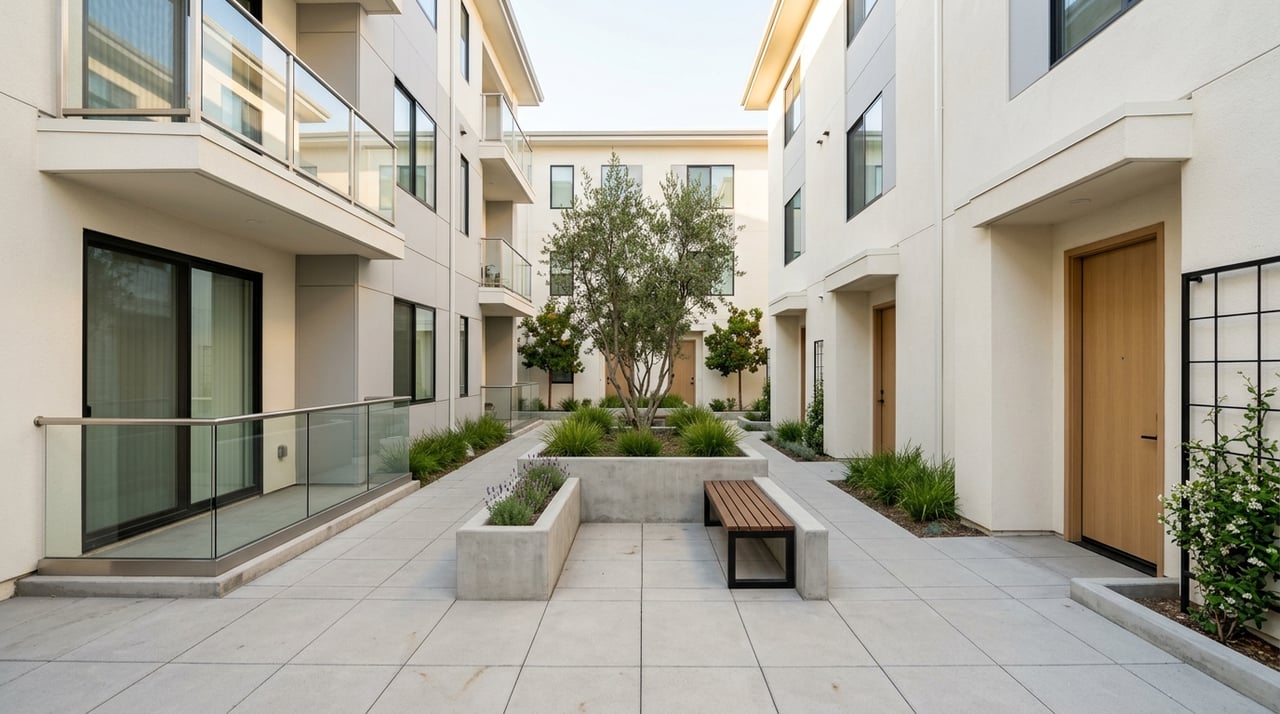
Wondering whether a condo or townhome in San Mateo is the smarter move for your budget and lifestyle? You are not alone. For many buyers, these homes can open the door to ownership in a high-demand Peninsula market, but the right choice depends on more than square footage or curb appeal. If you understand how ownership works, what HOA documents reveal, and which San Mateo areas best match your day-to-day needs, you can buy with far more confidence. Let’s dive in.
Start With Ownership Structure
When you shop for a condo or townhome in San Mateo, the exterior style does not tell the full story. In California, what matters most is the legal ownership structure. A townhome can share walls, span multiple stories, or even appear detached, so the word "townhome" alone does not explain what you actually own.
In a common interest development, you typically own a unit or lot and share common areas with other owners, or you receive rights to use those areas. HOA membership transfers automatically with the property. That means your purchase includes both a home and a set of ongoing rights, obligations, and costs.
Know What HOA Dues Cover
One of the biggest differences between condo and townhome living is how costs are shared. HOA dues often cover exterior maintenance and common areas, and they may also include water, sewer, trash, insurance, amenities, or reserve funding. Those dues are usually paid directly to the HOA, not through your mortgage payment.
That is why your monthly budget should go beyond principal, interest, taxes, and insurance. You want to look at the full carrying cost of the home. A property with a lower purchase price but high dues may feel very different from one with a higher price and more limited shared expenses.
Review the HOA Packet Carefully
In California, seller disclosures for condos and townhomes are especially important. Civil Code section 4525 requires sellers to provide key association documents, including governing documents, fee and assessment information, rental restrictions if they exist, requested board minutes, and the most recent exterior elevated elements inspection report.
For you as a buyer, that means the HOA packet is not just paperwork. It is one of the most important tools for evaluating risk, future costs, and how the community is run. A strong review during your contingency period can help you avoid expensive surprises later.
San Mateo Areas To Compare
San Mateo offers several condo and townhome clusters, and each one tends to attract buyers for different reasons. The right fit usually comes down to your commute, parking needs, preferred setting, and comfort with the HOA structure and building age.
Bay Meadows Living
Bay Meadows is one of San Mateo’s clearest transit-oriented options. It is an 83-acre mixed-use community at the Hillsdale Caltrain Station with homes, offices, retail, parks, trails, pocket parks, a community garden, playgrounds, bocce, and basketball. City HOA listings also show a master HOA along with sub-associations such as Landsdowne HOA and Ryland Cedar Bay.
If you want newer construction, planned amenities, and strong rail access, Bay Meadows often stands out. It offers a more curated live-work-play environment than many other parts of the city. For buyers relocating to the Peninsula or trying to simplify a commute, that can be a major advantage.
Downtown And North Central
Downtown San Mateo remains the city’s central hub, and local planning documents emphasize future development and walkability improvements. For condo buyers, this area can offer easy access to errands, dining, and transit, but parking deserves close attention. The city also operates downtown parking facilities and monthly permits, which can matter if your building has limited spaces or you expect frequent guests.
This broader core includes communities such as Bay Laurels, 58 N. El Camino Condominium Association, and Woodlake Condominiums in North Central. These homes may suit buyers who want a more urban setting and can evaluate practical details carefully. Storage, guest parking, and HOA maintenance history can have a big impact on day-to-day livability here.
Waterfront And Marina Lagoon
San Mateo’s waterfront-oriented condo and townhome pockets include Shoreview-Parkside, Lakeshore, Harbortown, Las Casitas, and Marina Gardens. These areas sit near Marina Lagoon and the Bay side of the city, creating a different lifestyle than downtown or Bay Meadows.
Marina Lagoon itself is a notable feature. The city describes about 4 miles of inland waterway with walking trails, beaches, picnic areas, a playground, and recreation opportunities such as sailing, rowing, swimming, power boating, and water skiing. Parkside Aquatic Park adds a boating launch ramp, a swim area, beach access, and restrooms.
If you value recreation and being close to water-oriented open space, this part of San Mateo may deserve a closer look. It tends to appeal to buyers who prioritize outdoor access over rail-centered convenience.
West-Side Townhome Pockets
Other townhome communities are more spread out and more residential in feel. City HOA listings identify areas such as Clearview Homeowners-San Mateo Woods, Ticonderoga Townhomes, Laurelwood, and Sugarloaf.
If you prefer a setting that feels less centered on downtown activity, these west-side and foothill-adjacent pockets may be worth exploring. They can offer a different rhythm of living while still keeping you in San Mateo.
Budget Beyond The Purchase Price
A smart condo or townhome budget should include more than your offer amount. You should factor in mortgage costs, property taxes, HOA dues, personal insurance needs, and the possibility of future assessment changes.
California law places limits on how much an HOA board can raise regular assessments or impose special assessments without owner approval. Even so, that does not mean every community carries the same financial risk. The key question is whether the association is planning ahead well enough to handle major repair needs.
Why Reserves Matter
Reserve planning is one of the most important parts of condo and townhome due diligence. California law requires reserve inspections for major components at least every three years when applicable, and condominium associations must also inspect exterior elevated elements at least every nine years.
For you, the practical takeaway is simple. Ask for the reserve study, reserve funding plan, and the latest exterior elevated elements inspection report. These documents can help you understand whether the HOA is saving appropriately for future repairs or may face pressure for higher assessments.
Financing And Insurance Questions
With condos and townhomes, financing is not only about your income and credit profile. Lenders also evaluate the overall project, including financial stability, physical condition, structural repair obligations, lawsuits, and mandatory inspections.
If you plan to use FHA financing, the project may need FHA approval or a single-unit approval, depending on the situation. Insurance also works differently in shared-interest communities, so you should confirm what the master policy covers and whether you need a separate unit policy for interior coverage.
What To Check During Due Diligence
Your contingency period is the time to get specific. Beyond finishes and floor plans, you want to understand how the association operates and what that may mean for your future resale value.
Here are some of the most useful items to review:
- CC&Rs
- Bylaws and rules
- Current HOA budget
- Reserve study
- Reserve funding plan
- Assessment history
- Special assessment notices
- Rental restrictions, if any
- Parking assignments and rules
- Master insurance coverage
- Board minutes
- Latest exterior elevated elements inspection report
If you are considering a newly built or converted project, there is another layer to review. In covered subdivisions, the California Department of Real Estate requires a public report before contract signing, summarizing items such as location, title matters, essential services, purchase terms, and HOA information.
Think About Resale Early
Even if this is your starter home or downsizing move, resale should still be part of your decision. In many communities, future value is shaped by HOA financial health, dues stability, parking rules, maintenance quality, and whether the building remains financeable for a broad buyer pool.
That is why the "best" condo or townhome in San Mateo is rarely defined by the label alone. The real decision usually comes down to a mix of monthly cost, building age, parking, transit access, amenities, and the strength of the HOA.
A Practical San Mateo Buying Strategy
If you are trying to narrow your options, start with the lifestyle question first. Bay Meadows often fits buyers who want newer homes, transit access, and built-in amenities. Downtown and North Central may fit buyers who want centrality and walkability, with extra attention paid to parking and older-building details.
The Marina Lagoon area can make sense if recreation and water-adjacent living are high priorities. West-side townhome pockets may appeal if you want a more residential setting. Once you know your preferred lifestyle, it becomes much easier to compare dues, disclosures, and financing realities with a clear lens.
Buying a condo or townhome in San Mateo can be an excellent path into the market, especially when you approach it with careful document review and a realistic budget. If you want local guidance on comparing communities, reviewing tradeoffs, and finding the right fit for your goals, Lana Morin Pierce can help you move forward with clarity.
FAQs
What is the difference between a condo and townhome in San Mateo?
- In San Mateo, the key difference is usually the legal ownership structure, not just the building style. A townhome may still be part of a common interest development with shared HOA obligations.
What do HOA dues usually cover in a San Mateo condo or townhome?
- HOA dues often cover exterior and common-area maintenance and may also include water, sewer, trash, insurance, amenities, and reserve funding, depending on the community.
What HOA documents should you review before buying in San Mateo?
- You should review the CC&Rs, bylaws, rules, budget, reserve study, reserve funding plan, board minutes, assessment history, parking rules, insurance details, rental restrictions, and the latest exterior elevated elements inspection report.
Which San Mateo area is best for condo or townhome buyers?
- The best area depends on your priorities. Bay Meadows is known for transit-oriented living, Downtown and North Central for central access, Marina Lagoon areas for recreation, and west-side pockets for a more residential setting.
Can HOA fees increase after you buy a condo or townhome in California?
- Yes. California law limits certain increases without owner approval, but dues and special assessments can still change, which is why reserve health and budget planning matter.
Do lenders look at the HOA when you buy a San Mateo condo?
- Yes. Lenders may evaluate the project’s financial stability, physical condition, inspection status, repair obligations, and other factors beyond your personal loan qualifications.