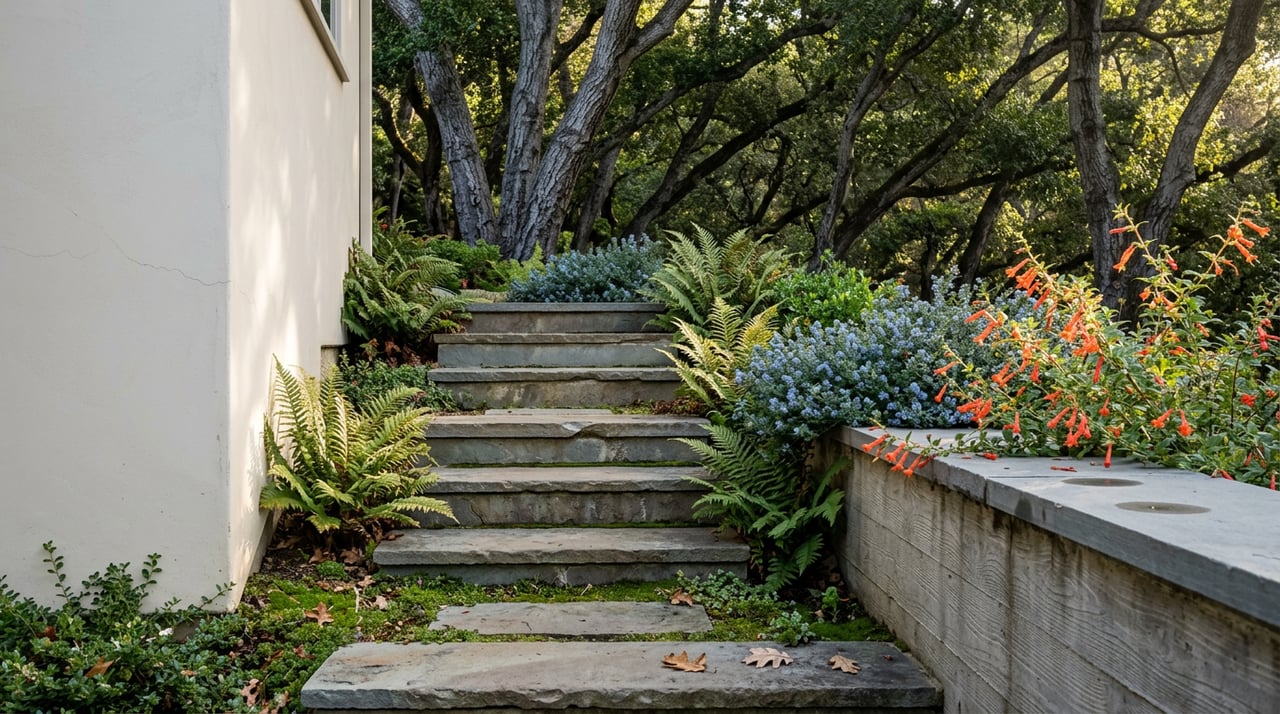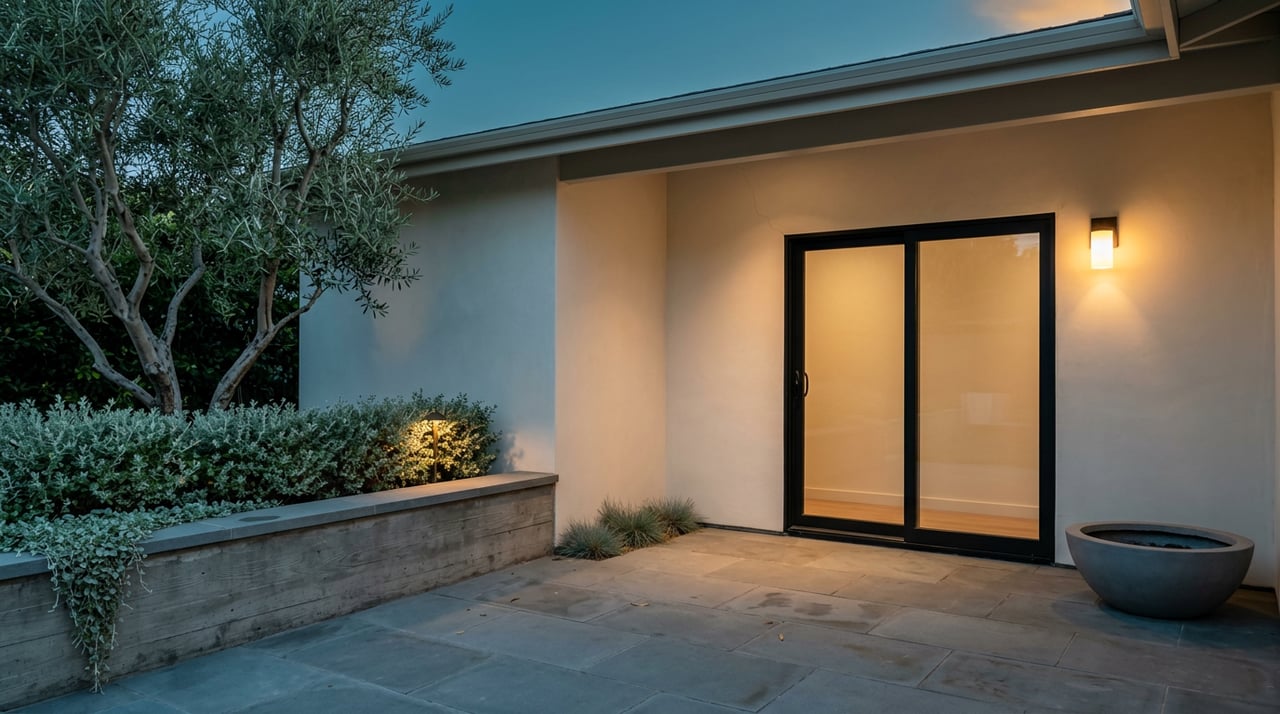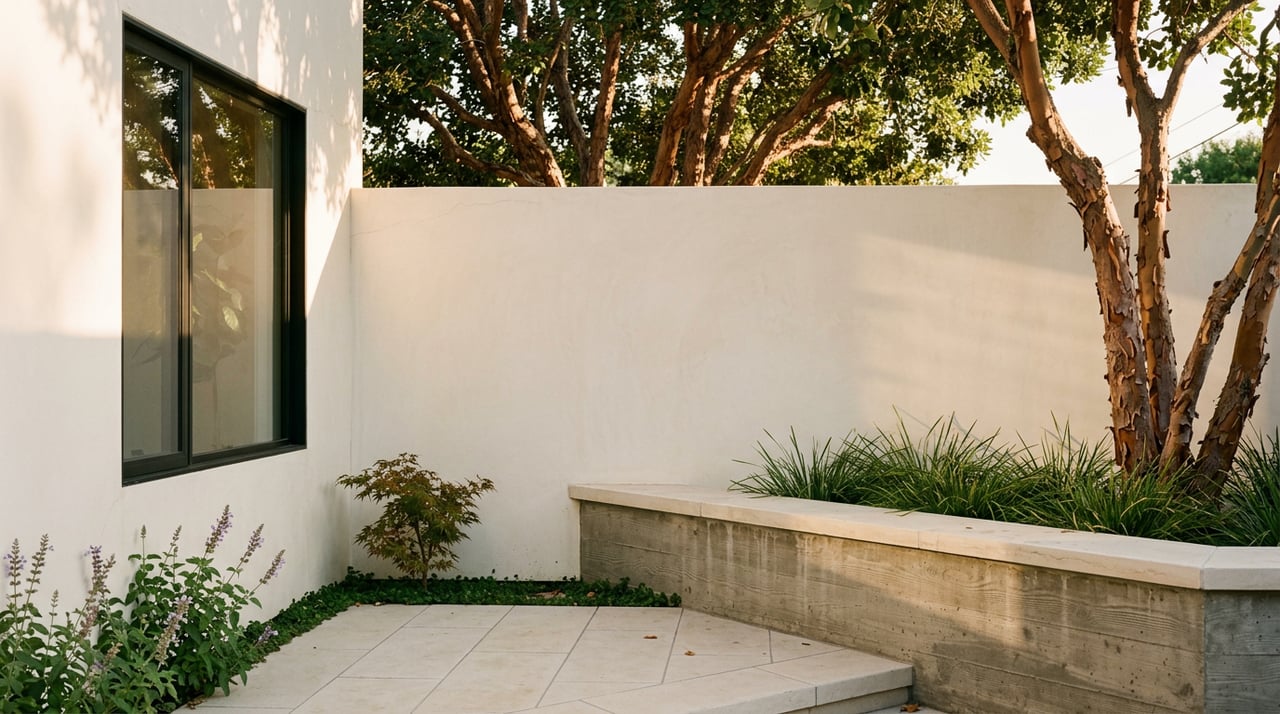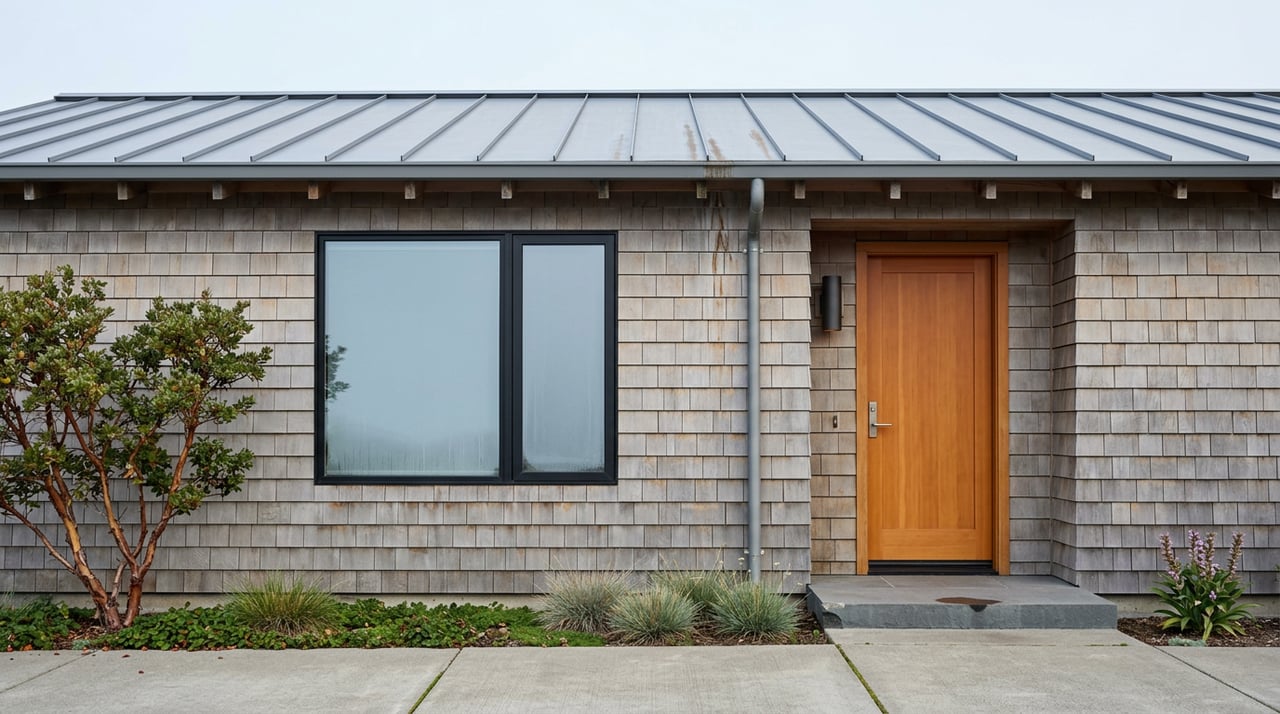
Dreaming about ocean air, open space, and a slower pace without leaving San Mateo County? A coastal San Mateo retreat can be a compelling alternative to bayside living, but it comes with a very different day-to-day experience. If you are weighing lifestyle, commute, upkeep, and long-term practicality, this guide will help you think through whether the coastside truly fits how you want to live. Let’s dive in.
What Counts as Coastal San Mateo?
When people talk about coastal San Mateo County, they are usually talking about Pacifica, Half Moon Bay, and the Midcoast communities in between. According to the City of Pacifica, Pacifica sits about twelve miles south of San Francisco on State Route 1, while Half Moon Bay is about 28 miles south of San Francisco.
Between them, the unincorporated Midcoast includes Montara, Moss Beach, Princeton, Pillar Point Harbor, El Granada, and Miramar. These are not interchangeable places. Each has its own layout, scale, and relationship to the ocean, open space, and main roads.
Why the Coast Feels Different
If you live in or near San Mateo now, you already know the Peninsula can shift a lot from one area to the next. The coastside takes that contrast even further. It is less about one central urban pattern and more about smaller communities with distinct identities.
Pacifica describes itself as a collection of separate beach communities rather than one traditional downtown. Its neighborhoods include Fairmont, Edgemar, Pacific Manor, Sharp Park, Fairway Park, Vallemar, Rockaway Beach, Linda Mar, Park Pacifica, and Pedro Point, each with a different feel and housing mix.
On the Midcoast, San Mateo County uses design standards intended to preserve the scale and visual character of communities like Montara, Moss Beach, El Granada, Miramar, and Princeton. Half Moon Bay adds another layer with a more compact small-town core, historic downtown, beaches, parks, farms, and nurseries.
Coastal Housing Is More Varied Than Many Buyers Expect
One of the biggest misconceptions about the coastside is that it is mostly detached beach houses. In reality, the housing stock is much more varied, especially if you are comparing Pacifica, Midcoast areas, and Half Moon Bay.
Pacifica’s neighborhood descriptions show everything from cliffside condominiums in Edgemar to tract homes in Linda Mar, custom-built homes in Rockaway Beach, hillside homes in Pedro Point, apartment complexes in Pacific Manor, and even a mobile home park in Sharp Park. That range matters if you are trying to match a lifestyle goal with a specific budget and maintenance level.
Half Moon Bay also includes a mix of housing formats. Its housing element identifies low-density, medium-density, high-density, mobile home parks, and planned development within a tightly regulated coastal setting. The city’s more recent housing element update also points to continued planning for manufactured homes and other housing types.
What This Means for You
If you are looking for a retreat, the best fit may not be the most obvious one. A detached home near the coast may sound ideal, but a condo or townhome could offer a simpler ownership experience with less exterior upkeep. On the other hand, if privacy, views, or lot size matter most, you may be drawn to a more site-specific home with more maintenance and permitting complexity.
The key is to compare homes at the neighborhood level, not just by city name. On the coastside, housing style, weather exposure, street pattern, and access can change quickly from one area to the next.
Coastal Living Means a Different Climate
A lot of buyers are drawn to the coast for the scenery, but fewer think carefully about the weather. That is important, because coastal San Mateo County is not beach weather in the Southern California sense.
Half Moon Bay notes that its weather patterns include summer fog and wet, windy winters. San Mateo County’s climate patterns also bring regular afternoon wind in summer and winter fog that can linger for hours or even days.
For many buyers, that climate is part of the appeal. It can feel calm, mild, and refreshing. But if you expect frequent sunny afternoons and a pool-friendly environment year-round, the coastside may feel cooler and grayer than expected.
A Simple Lifestyle Check
A coastal San Mateo retreat may be a strong fit if you enjoy:
- Cooler temperatures
- Marine-layer mornings
- Windier afternoons
- Easy access to beaches and open space
- A quieter, smaller-scale setting
It may be less ideal if you strongly prefer:
- Consistent warmth
- Minimal weather-related home upkeep
- Faster access to rail transit
- A more central Peninsula commute pattern
Maintenance Is a Bigger Part of the Equation
The coastside can be beautiful, but it is rarely low-maintenance. Near the ocean, moisture and salt exposure can affect how a home ages over time.
According to FEMA guidance on corrosion in coastal areas, salt spray and moisture can accelerate corrosion, and partially sheltered areas can stay damp longer and corrode faster. That means exterior materials, metal connectors, windows, roofs, and moisture management deserve extra attention during your buying process.
This does not mean you should avoid coastal homes. It means you should evaluate them differently than you might evaluate a similar property farther inland. A home near the beach, on a bluff, or in a low-lying area may require a more deliberate review of wear, drainage, ventilation, and long-term upkeep.
Smart Questions to Ask
Before you buy, it helps to ask practical questions such as:
- How exposed is the home to salt air and wind?
- What is the condition of the roof, windows, and exterior finishes?
- How is drainage handled around the property?
- Are there signs of persistent moisture or corrosion?
- What maintenance has the owner completed recently?
These are not minor details on the coast. They are central to the ownership experience.
Permitting Can Be More Complex
If part of your dream is to remodel, expand, add an ADU, or build new, the coastside deserves careful review before you commit. Coastal communities often operate within a more regulated planning environment than inland Peninsula neighborhoods.
Pacifica’s planning documents note that some projects in the coastal zone may require a Coastal Development Permit. In Half Moon Bay, the entire city lies within the Coastal Zone, and the city’s housing documents note that single-family homes in certain districts require a Coastal Development Permit.
County standards on the Midcoast are also designed to ensure development fits the setting and visual character of each community. For buyers, that means timelines, feasibility, and design flexibility may be different from what you are used to in other parts of San Mateo County.
Why This Matters Before You Buy
If you plan to make changes after closing, it is worth investigating those possibilities early. A property that seems like a perfect fixer may come with more review steps, design constraints, or timeline uncertainty than expected.
That does not make it a bad purchase. It simply means your decision should reflect both the home as it exists today and the realistic path for any future improvements.
Commute Fit Matters More Than Buyers Think
For many mid-Peninsula buyers, the biggest tradeoff is not the weather. It is the transportation pattern. Coastal living can absolutely work, but it tends to work best when your schedule and expectations match the location.
Caltrain remains the main north-south rail spine through core Peninsula cities like San Mateo, Burlingame, Belmont, and Redwood City. Pacifica is outside that corridor and depends more on driving and bus or BART connections, while coastside transit also includes SamTrans service, SamCoast, and the Linda Mar Park and Ride connection noted by the City of Pacifica.
In practical terms, the coast is more of a driving-first environment. That can be a great fit if you work remotely, follow a hybrid schedule, have flexible hours, or place a high value on the lifestyle side of the equation.
When a Coastal Retreat Makes Sense
A coastal San Mateo retreat may be especially appealing if you:
- Work from home full-time or part-time
- Want more separation from denser Peninsula corridors
- Value ocean access and open space enough to accept more commute friction
- Prefer a smaller-scale community feel
It may be a tougher fit if you need the shortest possible trip to a rail station or rely on a highly transit-dense daily routine.
Primary Home or Second Home?
This is one of the most common questions buyers ask, and the answer depends on how you will actually use the property. For some buyers, the coastside works beautifully as a primary residence because the climate, scenery, and pace align with their daily routine.
For others, it may feel better as an occasional retreat if they are not ready for the commute pattern or the added maintenance that can come with coastal ownership. The right answer depends on your tolerance for fog, wind, upkeep, and travel time, not just your emotional reaction to a weekend visit.
A good test is to picture an ordinary Tuesday, not just a sunny Saturday. If the coast still feels like the place you want to wake up, work, shop, and come home to, that is a strong sign it may be the right fit.
How to Decide If It Is Right for You
A coastal retreat is often best understood as a tradeoff market. You get scenery, open space, and a distinct sense of place, but you also take on more weather exposure, more maintenance awareness, and often a more complicated path for future improvements.
That tradeoff can be well worth it when it matches your priorities. If you are clear-eyed about climate, commute, and upkeep, the coastside can offer a lifestyle that feels very different from bayside San Mateo.
If you are comparing coastal homes with inland Peninsula options, working with someone who understands San Mateo County block by block can help you weigh not just price, but also long-term fit. If you want a thoughtful, local perspective on where a coastal property fits into your broader home search, connect with Lana Morin Pierce.
FAQs
Is coastal San Mateo County the same as bayside San Mateo?
- No. Coastal San Mateo County includes places like Pacifica, Half Moon Bay, and Midcoast communities, which have different weather, housing patterns, access, and permitting conditions than bayside San Mateo.
Is Pacifica a good option for a coastal San Mateo retreat?
- Pacifica can be a strong option if you want coastal access closer to San Francisco, but it is outside the Caltrain corridor and often depends more on driving and bus or BART connections.
What kinds of homes can you find in coastal San Mateo County?
- The coastside includes detached homes, condos, townhome-style options, manufactured-home communities, apartment-style housing, and site-specific custom homes depending on the community.
What should buyers know about weather in Half Moon Bay and nearby coastal areas?
- Buyers should expect a cooler, foggier, and windier climate than many inland Peninsula areas, with summer fog and wet, windy winters noted by the City of Half Moon Bay.
What should buyers know about maintenance for coastal San Mateo homes?
- Coastal homes often need more attention to moisture management, exterior materials, corrosion, roofs, windows, and drainage because salt air and damp conditions can increase wear.
What should buyers know about remodeling a home in coastal San Mateo County?
- Remodeling or adding on can involve coastal-zone permitting, local design review, and other planning requirements, so it is important to research feasibility before you buy.