Thinking about selling your San Mateo home in the next 6 to 18 months? You are not alone if you are wondering how to read the market and plan your timing. With the right prep and a clear view of local trends, you can position your home to stand out and sell well. In this guide, you will learn which metrics matter, how neighborhood nuances affect pricing, and what steps to take from now through listing day. Let’s dive in.
San Mateo market indicators to watch
Understanding a few core stats will help you set expectations and make smart decisions.
What each metric means
- Median sale price and price change: Shows the direction of value. Month-to-month swings can be seasonal, while year-over-year trends reveal bigger shifts.
- Price per square foot: Useful when you compare homes of similar size, vintage, and condition across neighborhoods.
- Days on Market (DOM): Faster DOM points to stronger buyer urgency. Slower DOM signals more selective buyers.
- Months of inventory: The clearest supply gauge. Under 3 months suggests a seller’s market, 3 to 6 is balanced, and over 6 leans buyer-friendly.
- Sale-to-list price ratio: Tells you how accurate pricing has been and how much room there may be for negotiation.
- Pending-to-active ratio: A leading indicator of momentum. More pendings relative to actives means demand is picking up.
- Sales volume: Shifts can reflect buyer willingness to transact at current prices and rates.
- Financing mix: The share of cash, conventional, and jumbo loans helps you understand buyer strength in San Mateo.
How to use the signals
- When inventory and DOM both tighten, you can price more confidently and plan for multiple-offer scenarios.
- If median price is flat but inventory is low, focus on standout presentation and precise pricing. Buyers may be selective yet ready.
- If months of inventory rise or DOM stretches, plan for a longer marketing window and be ready to offer credits or flexibility.
Where to find current numbers
- Ask your agent for MLS-based reports for San Mateo city and your neighborhood.
- Review California Association of Realtors county or metro updates for trend context.
- Use brokerage market snapshots for quick reads, but verify key figures with the MLS.
Neighborhood nuances across San Mateo
Micro-location can shift pricing, buyer pools, and marketing focus.
- Central and Downtown corridor: Walkability and dining access drive demand. Lots are often smaller, which favors homes that show well online and in person.
- Bay Meadows and South San Mateo: Newer construction and planned-community features appeal to buyers who want modern layouts and managed amenities.
- Hills and west-side areas: Larger lots and more space can draw buyers seeking yards and room to grow. Expect a different pace and offer profile than urban-core locations.
- North and corridor-adjacent pockets: Areas near 92 and 101 may attract value-focused buyers and commuters who prioritize access.
School boundaries and lot type can influence comps. Ask your agent to confirm boundaries, topography, and condition adjustments when selecting comparable sales.
Timing your sale
You do not need perfect timing to have a great outcome, but certain windows can help.
Seasonality in the Mid-Peninsula
- Spring, typically March through June, is often the most active period.
- Summer stays steady, while fall and winter can be quieter yet sometimes yield motivated buyers and less competition.
- Local hiring cycles, mortgage rate shifts, and corporate relocations can move demand into off-peak months.
Your 6–18 month monitoring plan
Track these signals monthly with your agent:
- Months of inventory and DOM trends for your neighborhood and price band.
- Median price direction and sales volume shifts.
- Mortgage rate trends that affect buyer purchasing power.
Common strategies include listing when months of inventory dips below about three and DOM shortens. If rates appear set to fall, consider timing to capture a larger buyer pool. If your move is fixed, focus on preparation over market timing.
Preparation timeline for sellers
12–18 months out
- Review neighborhood comps and the ROI of cosmetic updates.
- Confirm permits and records for past work.
- Tackle routine maintenance and deferred repairs such as roof, HVAC, and sewer lateral if applicable.
6–12 months out
- Declutter and start light updates like neutral paint and selective landscaping.
- Request a comparative market analysis from two or three local agents.
- Consider a pre-list inspection to surface issues early.
1–3 months out
- Deep clean, stage, and schedule professional photography and floor plans.
- Finalize pricing strategy and prepare disclosures, receipts, and improvement notes.
Listing period
- Plan open houses or broker tours as appropriate.
- Set an offer review plan that weighs terms beyond price, including financing strength and contingencies.
Prep that moves the needle
Focus on broad-appeal updates that show well in photos and in person.
High-impact updates
- Neutral interior paint to brighten and unify spaces.
- Declutter and depersonalize so buyers picture their own lives in the home.
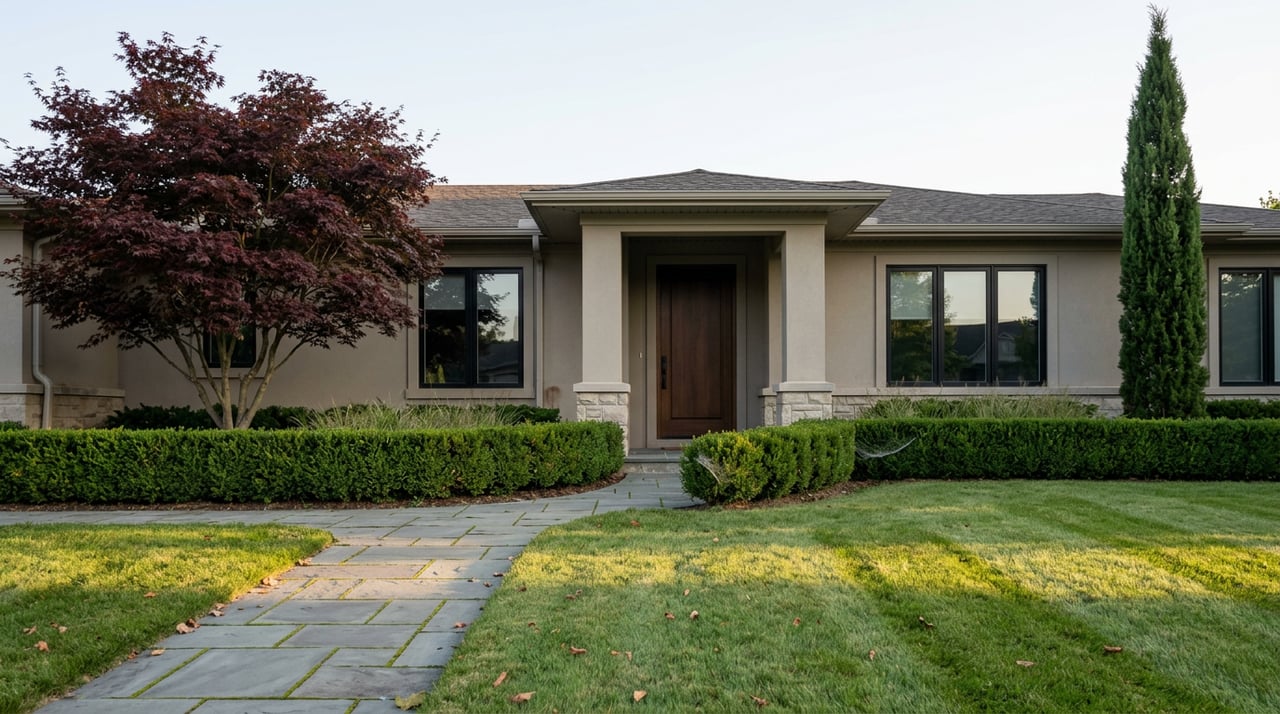
- Curb appeal with clean landscaping and a refreshed front door.
- Kitchen and bath cosmetics such as hardware, lighting, or refreshed surfaces if dated.
- Flooring fixes like refinishing hardwood or replacing worn carpet.
When to skip upgrades
Avoid major additions or custom luxury projects unless local comps clearly support the spend. Keep finishes simple and widely appealing.
Staging and marketing that sell
- Professional photography and floor plans are essential. Consider a 3D tour if demand is strong in your segment.
- Full-home staging can boost perceived value and shorten time on market, especially for vacant or higher-priced homes.
- Spotlight neighborhood assets such as parks, transit, and community features, and clarify any HOA benefits or fees.
Inspections and disclosures
A proactive approach reduces deal risk and builds buyer confidence.
- A pre-list inspection can uncover issues early and limit renegotiation later.
- Complete standard California disclosures, including the Transfer Disclosure Statement, Natural Hazard Disclosure, and lead-based paint disclosures when applicable.
- Work with your agent or attorney to confirm current city and county requirements and to organize documentation.
Pricing and negotiation
Winning strategies start with the right list price and a plan for terms.
Market-based pricing
Use recent closed comps from the last 30 to 90 days that match your home’s size, condition, lot, and school boundary. In low-inventory conditions, some sellers price slightly below market to spur multiple offers. In slower markets, consider conservative pricing or targeted buyer credits.
Negotiation levers that matter
- Financing strength: Cash or large down payments reduce risk.
- Appraisal planning: Consider a pre-list appraisal or review appraisal-gap language in offers.
- Contingencies: Shorter or waived contingencies can be attractive in strong markets.
- Timing and possession: Closing dates and possible rent-backs can be key bargaining chips.
- Repairs vs. credits: Credits often save time and keep momentum through escrow.
Appraisals and comps: set the stage
Provide a property dossier with recent upgrades, permits, and the best comps. Account for lot type, topography, views, and school boundaries so appraisers and buyers see the full picture.
What to request from your agent
Ask for current, neighborhood-specific data and a clear plan.
- 12-month and 3-month trends for median price, DOM, and months of inventory.
- Three to six recent sold comps plus a read on active and pending competition.
- Sale-to-list price ratios and the share of multiple-offer sales.
- Typical buyer financing mix in your price band.
- Price per square foot benchmarks with adjustments for lot, view, and comp age.
- Common concessions and contingency patterns.
Smart questions to ask
- What is a realistic list price range if I complete specific updates versus selling as-is?
- How long is the average marketing period for homes like mine, and what is your channel mix?
- What percentage of your recent listings sold above list, and which tactics drove that result?
- Do you have examples of staged versus unstaged sales nearby and the price difference?
- What appraisal outcomes are you seeing in my segment, and how do you mitigate risk?
Your next step
Selling well in San Mateo comes down to timing, prep, and clarity. If you track supply and speed, tailor your upgrades, and price against the best comps, you can maximize your result in any cycle. For a data-backed strategy and design-forward marketing that highlights your home’s strengths, connect with Lana Morin Pierce. Lana pairs local roots in San Mateo with Intero and Berkshire Hathaway resources, premium staging and multimedia, and full-service coordination from consult to close.
FAQs
What is months of inventory and why does it matter in San Mateo?
- It measures how long current listings would take to sell at the recent pace. Under three months often favors sellers, while higher levels suggest more price sensitivity.
When is the best time of year to list in San Mateo?
- Spring is typically most active, but hiring cycles, mortgage rates, and relocations can shift demand into other seasons. Focus on prep if your move date is fixed.
Which pre-sale updates usually deliver the best ROI?
- Neutral paint, decluttering, curb appeal, kitchen and bath cosmetics, and flooring refreshes often have strong impact relative to cost.
Should I get a pre-listing inspection in California?
- Many sellers do. It helps uncover issues early, supports cleaner negotiations, and can reduce the risk of escrow delays or price retrades.
How do San Mateo neighborhoods affect pricing?
- Walkability, lot size, topography, and school boundaries can all influence comps and buyer pools. Ask your agent to apply precise adjustments.
How should I evaluate multiple offers beyond price?
- Weigh financing strength, appraisal risk, contingency timelines, closing and possession terms, and the likelihood of a smooth close.