If you need to get your San Mateo home on the market fast, it is tempting to rush straight to photos and showings. But in a market where homes are still moving quickly, buyers notice presentation right away, and they also notice when a listing feels unfinished. With the right sequence, you can focus on the updates that matter most, avoid common city-related delays, and launch with more confidence. Let’s dive in.
Why prep still matters in San Mateo
San Mateo remains a fast-moving market, but that does not mean every home can skip preparation. Recent 2026 market data shows homes in San Mateo going pending in about 12 to 13 days, with median sale prices ranging from roughly $1.57 million to $1.69 million depending on the source, and multiple offers still common.
That kind of pace creates opportunity, but it also raises the bar. When buyers are comparing homes online first, strong presentation can help your property stand out quickly, while sloppy prep can make buyers hesitate.
Start with what buyers see online
For many buyers, your listing photos are the first showing. The National Association of Realtors reported that 41% of buyers begin the home-buying process by looking at properties online, and internet-using buyers rated photos as the most useful feature at 66%.
That is why decluttering is your fastest win if you are pressed for time. Clearing counters, simplifying shelves, removing excess furniture, and putting away personal items can improve both your photos and your in-person showings without requiring a major project.
Focus on visual clarity first
If you only have a few weeks, begin with the rooms buyers tend to notice most. Based on staging findings, the living room, kitchen, and primary bedroom deserve special attention because they are commonly staged and especially important in how buyers experience a home.
Think of this stage as creating a clean backdrop. You are not trying to erase personality. You are making it easier for buyers to understand the space, the light, and the flow.
Follow a smart prep sequence
Busy sellers often lose time by doing tasks out of order. In San Mateo, the most effective listing prep usually follows a short, practical sequence that improves presentation while accounting for city timing.
1. Declutter and simplify
Start by removing anything that makes the home feel crowded or distracting. Pack rarely used items, clear entry areas, tidy open shelving, and streamline tabletops and bathroom counters.
This step helps almost everything that follows. It makes cleaning easier, improves staging results, and gives your photographer a better canvas.
2. Check permit and compliance items early
Before you commit to repair work, confirm whether any planned updates may involve city permits or inspections. The City of San Mateo requires building permits for structural and many repair projects, with separate permits for electrical, mechanical, and plumbing work.
The city also does not accept same-day inspection requests, even though virtual inspections may be available. That means your listing timeline should be built around city processing and inspection timing, not just contractor availability.
3. Handle visible cosmetic fixes
Once you know what may trigger permits, shift your attention to low-disruption, high-visibility improvements. In a time-sensitive sale, this is often where you get the best return on effort.
Examples can include:
- Paint touch-ups
- Updated light fixtures where appropriate
- Front entry cleanup
- Fresh landscaping maintenance
- Minor hardware or finish fixes
- Deep cleaning throughout the home
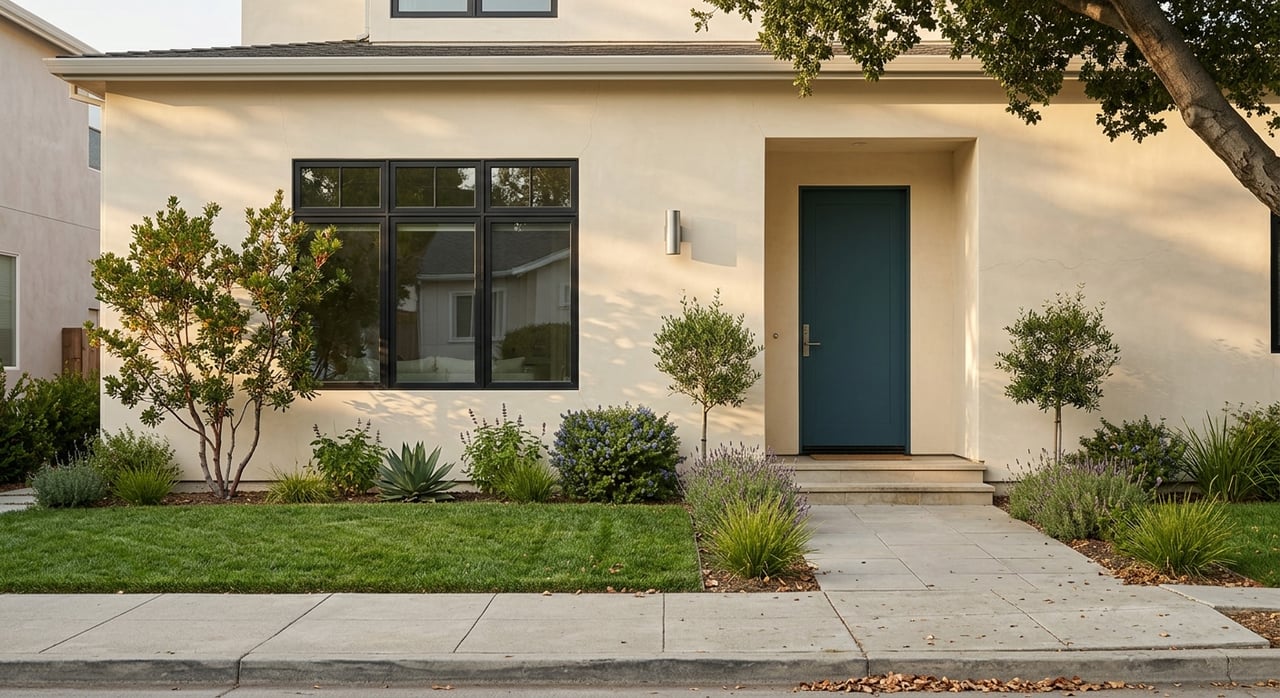
The National Association of Realtors found that 97% of members believe curb appeal is important in attracting a buyer, and 92% advise sellers to improve curb appeal before listing. For a busy San Mateo seller, the exterior first impression matters because it shapes expectations before buyers even walk inside.
4. Stage after the home is ready
Staging works best when the home is already clean, repaired, and visually calm. According to NAR’s 2025 staging report, staging helps buyers visualize the property as a future home, and photos remain a key part of that presentation.
That same report found median staging-service spending of $1,500. It also reported that some sellers’ agents saw a 1% to 5% increase in the dollar value offered, while others reported slightly reduced time on market. The main takeaway is simple: presentation should happen before launch, not after.
5. Photograph and market only when ready
Once the home is camera-ready, professional imagery, video, and virtual tours can do their job. For a brand like Lana Morin Pierce, whose approach emphasizes tailored staging, high-resolution imagery, video, and virtual tours, this is where thoughtful preparation turns into stronger market exposure.
If you list before the home is truly ready, you may only get one chance to make that first impression. In a market this quick, that matters.
San Mateo issues that can slow you down
Not every delay comes from the house itself. In San Mateo, several city-specific requirements can affect your prep calendar, especially if you discover them too late.
Sewer lateral requirements
San Mateo’s private sewer lateral rules are a major item for sellers to understand. The city states that a sale of real property is one of the triggers for a sewer-lateral inspection.
If you do not already have an inspection report, the city says the seller should provide one, or the buyer must schedule an inspection by a qualified plumbing contractor before closing. The city does not issue a certificate of compliance for sewer laterals. The inspection report serves as proof.
If sewer-lateral work extends into the public right-of-way or involves the city main, an encroachment permit is required. That is one reason it helps to review this issue early instead of waiting until escrow.
Protected tree rules
Tree work can also take longer than many sellers expect. San Mateo regulates heritage trees, street trees, and other protected trees, and permits may be required for protected-tree removal or major pruning.
The city notes that the street-tree permit process can take several weeks, and removal applications include a 10-day waiting period. If your landscaping plan involves any regulated trees, start that conversation early.
Permit timing for repair work
Even small projects can create delays if they fall into a permit category. If you are considering repairs tied to structure, plumbing, electrical, or mechanical systems, check the rules before work begins.
For time-pressed sellers, this is one of the biggest reasons to avoid an unnecessary remodel. A focused prep plan is often more practical than opening the door to work that could slow your listing date.
Do you need a full remodel?
In most cases, no. The data in this market points more clearly to a short, high-impact prep strategy than to a major renovation.
San Mateo homes are still selling in a relatively short window, and buyers place heavy value on photos, staging, and immediate visual appeal. That means a clean, polished, well-presented home often has more to gain from smart cosmetic preparation than from an ambitious project that adds cost and time.
A full remodel may make sense in some situations, but it is not the default answer for a seller on a tight timeline. If your goal is to launch efficiently, your priority should be the work buyers will notice right away and the city requirements that can affect closing.
Build your disclosure file before launch
Strong prep is not only about appearance. It is also about being organized before your home hits the market.
California Civil Code 1102 applies to transfers of single-family residential property, and the disclosure requirements cannot be waived. The California Department of Real Estate explains that the Real Property Disclosure Statement covers items such as physical condition, hazards or defects, special taxes, assessments, and other factors that may affect value or desirability.
Natural hazard disclosures may also apply to mapped hazard areas, including flood zones, very high fire hazard severity zones, earthquake fault zones, and seismic hazard zones such as areas prone to liquefaction or earthquake-induced landslides. For homes built before 1978, federal lead disclosure rules also apply, including disclosure of known hazards, providing the EPA pamphlet, and allowing the buyer 10 days to inspect or test unless the parties agree otherwise.
What to gather early
A well-prepared file can reduce last-minute stress and help keep escrow moving. Depending on your property, that may include:
- Permit records
- Final inspection sign-offs
- Sewer lateral inspection reports
- Tree-related permits or approvals
- Repair invoices and receipts
- Warranties
- HOA documents, if applicable
- Required hazard and lead-related disclosures
When these documents are ready before launch, you are less likely to scramble once offers come in.
A realistic plan for sellers with only weeks
If your timeline is tight, keep your focus narrow. You do not need to do everything. You need to do the right things in the right order.
A practical San Mateo listing-prep plan often looks like this:
- Declutter the main living spaces first
- Deep clean and refresh visible surfaces
- Identify any permit, sewer lateral, or tree issues immediately
- Complete cosmetic fixes that do not disrupt the schedule
- Stage key rooms
- Capture strong photos, video, and virtual-tour assets
- Assemble disclosures and property documents before launch
That kind of strategy fits both the market and the realities of city process. It also supports the kind of polished, design-forward presentation that can help a San Mateo listing compete.
Why expert coordination matters
When you are balancing work, family, and a move, listing prep can feel like a second full-time job. The right guidance helps you focus on what is worth doing, what should be skipped, and what needs attention now because of local rules.
That is where a local, listing-focused advisor can make a real difference. With roots in San Mateo County and a marketing approach built around staging, cosmetic coordination, multimedia presentation, and full transaction management, Lana Morin Pierce helps sellers prepare strategically and bring their homes to market with clarity and confidence.
FAQs
What should time-pressed sellers prioritize before listing in San Mateo?
- Focus first on decluttering, deep cleaning, visible cosmetic fixes, and strong staging and photography, while checking permit, sewer lateral, and tree issues early.
Do San Mateo sellers need a sewer lateral inspection when selling a home?
- A sale of real property is one of the city’s triggers for a sewer-lateral inspection, and the inspection report serves as proof because the city does not issue a separate certificate of compliance.
Do San Mateo sellers need permits for home repairs before listing?
- San Mateo requires permits for structural and many repair projects, along with separate permits for electrical, mechanical, and plumbing work, so it is important to confirm requirements before starting repairs.
What matters most to buyers viewing San Mateo listings online?
- Photos are especially important, with NAR reporting that internet-using buyers rated listing photos as the most useful online feature.
Should San Mateo sellers remodel before putting a home on the market?
- Not always. For many time-pressed sellers, a focused plan centered on presentation, curb appeal, and compliance is more practical than a large remodel.
What disclosures should San Mateo home sellers prepare before listing?
- Depending on the property, sellers should prepare required California property disclosures, natural hazard disclosures, and, for homes built before 1978, lead-related disclosures, along with supporting documents such as permits, inspection records, and receipts.