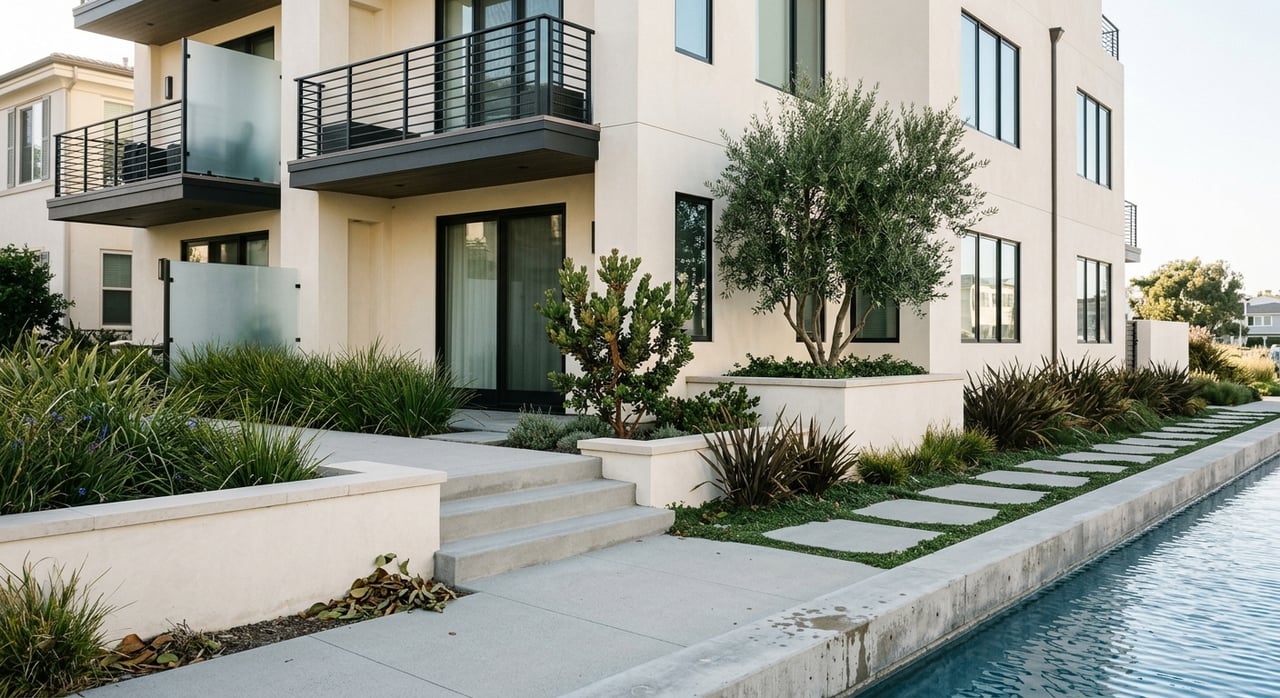
If you want a lower-maintenance home on the Peninsula without giving up a strong location, Foster City should be on your radar. For many buyers, a condo or townhome here can offer a more accessible entry point than a detached house, along with amenities, lagoon-side surroundings, and convenient outdoor access. The key is knowing how to weigh price, HOA structure, financing, and lifestyle fit before you make a move. Let’s dive in.
Why Buyers Consider Foster City
Foster City stands out for its planned, water-oriented layout and connection to recreation. The city highlights its lagoon and levee system, plus access to the levee pedway and Bay Trail-style recreation, which supports walking, running, cycling, and skating.
From a pricing standpoint, attached homes can create a meaningful middle ground. As of February 2026, Redfin showed a citywide median sale price of $1.54875M and 15 condos for sale at a median listing price of $1.25M, while MLSListings’ 94404 snapshot showed single-family homes at a $2.708888M median sale price compared with a $1.269M average for condos and townhomes. These figures are measured differently, so they are best viewed as complementary snapshots rather than exact matches.
That price gap helps explain why condos and townhomes appeal to first-time buyers, downsizers, and relocating buyers who want a simpler ownership model. According to Fannie Mae’s condo buying guide, condo ownership can be more budget-friendly and often includes shared exterior maintenance and common amenities through the HOA.
Condo vs Townhome Basics
In Foster City, condos are often the easiest entry point if you want lower upkeep and shared amenities. You may see communities with pools, clubhouses, greenbelts, or secure parking, depending on the project and price point.
Townhomes can offer more space and a more house-like layout, but they still may come with HOA oversight. As Fannie Mae explains, some townhome-style properties are legally condos, so what matters is not just the building style but also whether the HOA controls common areas and exterior upkeep.
That distinction matters because ownership costs and responsibilities can vary a lot from one community to another. Two homes may look similar online but have very different monthly fees, insurance structures, and maintenance obligations.
What You’ll Find in Foster City
Foster City’s condo and townhome inventory spans newer mixed-use development, older lagoon-adjacent communities, and a range of attached-home styles across 94404. Current MLS inventory shows condos roughly from the sub-$700,000 range to $1.5M+, townhomes around $1.1M to $2.0M, and single-family homes from about $1.88M to nearly $3.0M in active or pending examples. These are listing examples rather than citywide averages, but they help show the mix you’re likely to encounter.
Foster Square and newer options
One notable newer development is Foster Square. The city describes Foster Square as a completed mixed-use project with up to 200 for-sale housing units, affordable senior apartments, assisted-living housing, commercial space, and public open space.
For buyers, that means a different feel from some older lagoon-edge communities. If you prefer newer construction, a more central setting, and proximity to civic uses, this type of development may be worth a closer look.
Lagoon-adjacent communities
Older communities remain a major part of the local attached-home market. Recent MLSListings property pages describe Marina Point as a lagoon-adjacent community near Beach Park and Shell Boulevard, with amenities such as tennis courts, a pool, spa, playgrounds, clubhouse, greenbelt, and garage parking.
Those amenity packages can be appealing, but they often come with higher HOA fees. One recent Marina Point condo sold for $878,888 with an $840 monthly HOA fee, while a recent Promontory Point listing was priced at $1.53M with a $1,440 monthly HOA fee and included features like water views, a pool, clubhouse, gym, and secure parking.
Streets and communities to watch
Recent attached-home inventory also clusters around Meridian Bay, Compass Lane, Lido Lane, Beach Park Boulevard, Admiralty Lane, and Portofino Lane. As you compare options, you’ll likely notice a split between newer, denser product and older lagoon-side homes with larger floor plans and heavier HOA reliance.
That is why neighborhood-level and project-level research matters so much in Foster City. The citywide numbers can help you understand pricing, but the real decision usually comes down to a specific building or community.
HOA Fees Matter More Than Many Buyers Expect
If you are shopping for a condo or townhome, the monthly HOA fee is not a side note. It is a core part of your housing cost, and it can vary dramatically depending on amenities, age, and maintenance needs.
Fannie Mae notes that condo fees often fund exterior maintenance, common areas, utilities, and reserves. In practical terms, your dues may cover some combination of water, trash, sewer, roof, insurance, recreation areas, and long-term repair planning, or only part of that list.
A higher fee is not automatically a problem, but you should know what you are getting in return. A building with elevators, extensive shared amenities, or water-facing infrastructure may need much more ongoing funding than a simpler project.
Key HOA Documents to Review
California law gives buyers important disclosure rights when purchasing in a common interest development. Under California Civil Code Section 4525, the seller must provide governing documents, annual budget materials, current fee information, unresolved violation notices, rental restrictions if any, and other key records.
The annual budget report must also include reserve information, reserve funding plans, deferred repair statements, possible special assessments, and insurance summaries. For condominiums, the disclosure package must also state whether the project is FHA- or VA-approved.
California law also requires a reserve study at least every three years for qualifying associations. That is especially important in older Foster City communities, where long-term costs may involve roofs, exterior paint, elevators, or water-facing common components.
Financing Can Depend on the Project
Many buyers focus on their own credit, down payment, and rate, but condo financing also depends on the community itself. Fannie Mae says lenders may review the physical condition of the project, its financial stability, any structural debt, lawsuits, completed inspections, and whether the project is considered warrantable.
That means a well-qualified buyer can still run into issues if the building or HOA does not meet lender guidelines. It is one reason why attached-home purchases often require more project-level due diligence than detached-home purchases.
Before you write an offer, it helps to ask:
- What does the HOA fee cover?
- Are there pending or anticipated special assessments?
- Are there rental caps, age restrictions, or other use limits?
- What insurance does the HOA carry, and what are the deductibles?
- Is the project FHA- or VA-approved, and will your lender consider it warrantable?
These are not minor details. They can affect your monthly cost, financing options, and future resale flexibility.
Lagoon-Side Living: Benefits and Tradeoffs
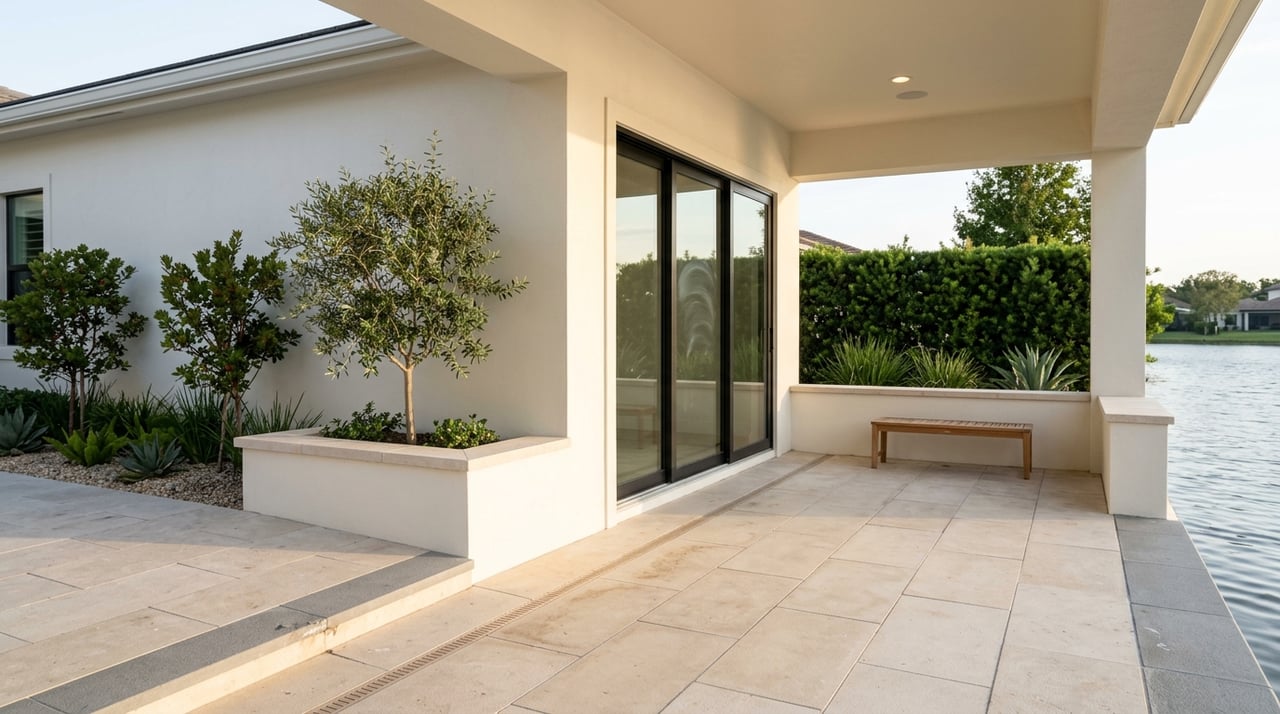
Foster City’s lagoon system is a big reason buyers are drawn here. The city says the 200-acre artificial lagoon system winds through the community and connects to recreation and public pathways, creating a setting that feels different from many nearby Peninsula markets.
That setting can be a real lifestyle benefit if you value water views, paths for exercise, and a more open feel. In some communities, those surroundings are part of the appeal that supports higher pricing and HOA dues.
At the same time, lagoon-side living comes with context you should understand. The city states that Foster City’s levee system has been certified by FEMA as providing protection from the 1-percent annual chance flood, and land inside the levee system is classified as Zone X, where mandatory flood insurance is not required.
Still, Foster City also notes it sits about 7 feet above sea level and continues planning levee improvements to address sea-level rise and maintain accreditation. For buyers, that is not a reason to panic, but it is a reason to stay informed and read project disclosures carefully.
How Foster City Compares Nearby
If you are deciding between Foster City and nearby Peninsula options, attached-home pricing here tends to run higher than nearby city averages in San Mateo and Redwood City. MLSListings’ February 2026 snapshots show condos and townhomes averaging $1.269M in Foster City, compared with $840,000 in San Mateo, $903,888 in Redwood City, and $855,000 across San Mateo County.
That premium reflects more than just square footage. Foster City offers a distinct combination of lower-maintenance living, lagoon-oriented surroundings, and a strong commuter location, which keeps it in demand.
There may also be more negotiating room in the attached segment than you expect. In the same MLS snapshot, condos and townhomes had a 68-day median on market versus 11 days for single-family homes, suggesting some buyers may find more flexibility in certain condo and townhome submarkets.
Smart Steps Before You Buy
A condo or townhome purchase in Foster City can be a great fit if you go in with a clear plan. The strongest buyers usually compare not just price and layout, but also HOA health, financing fit, and how the community aligns with their day-to-day lifestyle.
Here are a few smart steps to take early:
- Set your full monthly budget by including mortgage, taxes, insurance, and HOA dues.
- Review each community separately because one project’s finances and rules may be very different from another’s.
- Ask for disclosure documents early so you can spot reserve, insurance, or assessment concerns before you get too far.
- Talk with your lender about project approval if you are using financing that depends on condo eligibility.
- Visit with lifestyle in mind by noting paths, amenities, parking, access points, and the overall feel of the community.
When you approach the search this way, you can buy with more confidence and fewer surprises.
If you are weighing condo and townhome options in Foster City, working with a local advisor can help you sort through pricing, project differences, disclosure review, and offer strategy. Lana Morin Pierce offers responsive, full-service guidance for buyers who want clear information and thoughtful support throughout the process.
FAQs
What is the typical price range for condos and townhomes in Foster City?
- Recent MLS inventory examples show condos ranging from the sub-$700,000s to $1.5M+ and townhomes roughly from $1.1M to $2.0M, depending on the community, condition, and location.
Why are HOA fees important when buying a Foster City condo or townhome?
- HOA fees can cover major costs such as exterior maintenance, common-area upkeep, some utilities, insurance, amenities, and reserve funding, so they play a major role in your true monthly housing cost.
What HOA documents should buyers review for a Foster City attached home?
- Buyers should review governing documents, annual budget materials, reserve information, fee schedules, insurance summaries, possible special assessments, rental restrictions, and any other disclosures required under California law.
Can condo financing be harder in Foster City than buying a single-family home?
- Yes. In addition to reviewing your personal finances, lenders may also evaluate the HOA’s finances, the building’s condition, insurance, inspections, and whether the project is warrantable.
What is special about lagoon-side living in Foster City?
- Lagoon-side living can offer water-oriented surroundings, public pathways, and easy access to recreation, but buyers should also understand the city’s levee system, flood-protection context, and any community-specific maintenance considerations.
Is Foster City more expensive than nearby San Mateo or Redwood City for condos and townhomes?
- Based on the MLSListings February 2026 snapshot, attached-home averages in Foster City were higher than the averages reported for San Mateo, Redwood City, and San Mateo County overall.