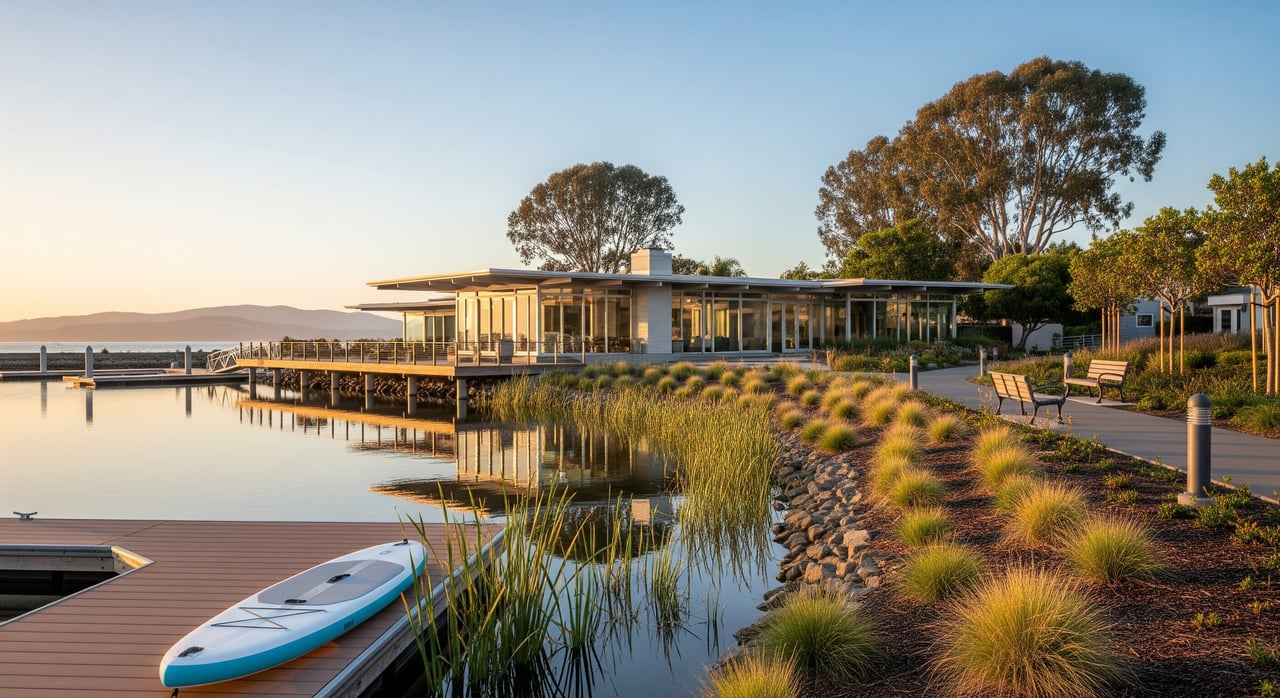
Picture your morning starting with a quiet paddle as the sun lifts over the San Francisco Bay, then an evening walk along a waterfront path just outside your door. If you are drawn to daily access to water and fresh air, Foster City offers a unique lifestyle built around lagoons, shoreline parks, and miles of connected trails. You want the fun and the facts in one place so you can decide if this community fits your routine, commute, and long-term plans. In this guide, you’ll get a clear look at lagoon living, where people go to play, how boating works, and what to check before buying near the water. Let’s dive in.
Why Foster City appeals to outdoor lovers
Foster City is a planned, waterfront community on the mid-Peninsula in San Mateo County. The city’s design centers on an interconnected lagoon system, wide promenades, and parks that make it easy to step outside and get moving. You are close to regional job centers, but the everyday feel is relaxed and active.
With a population in the mid-30,000s, the city balances a small-community scale with a dense, walkable layout. Many homes and neighborhoods front the water or sit a short stroll from it. That layout creates a strong culture of outdoor activity you can tap into year-round.
Lagoon living 101
The engineered lagoons are the heart of Foster City’s lifestyle. They were built for beauty and recreation and also work with levees and pump stations as part of the city’s flood control system.
- Common activities include kayaking, stand-up paddleboarding, canoeing, small-boat sailing, walking, running, birdwatching, and casual picnics.
- Early mornings and early evenings are especially calm for paddling and workouts. Weekends see more activity at popular parks and launch areas.
- Some services, like boat slips, lessons, and organized programs, may charge fees. You can confirm details with the city’s recreation and marina offices.
Parks and shoreline access
You will find several types of parks and open spaces throughout the city, many right on the water. Expect picnic areas, benches with views, playgrounds, and open turf that locals use for frisbee, soccer practice, or relaxed meetups.
- Shoreline and waterfront parks: Great for bay and lagoon views, casual strolls, kite-flying, and sunsets.
- Neighborhood parks: Smaller green spaces with play structures, courts, and fields spread across residential areas.
- Marina and launch facilities: Public access points support small motorboats and non-motorized craft. Slip availability and waitlists can vary.
- Dogs and families: Many parks are dog-friendly, but rules differ by location. Check posted signs for leash requirements and hours.
Parking can be limited at the most popular parks on sunny weekends. If you plan a group meetup or family picnic, arrive early or consider neighborhood parks connected by the path network.
Trails and Bay connections
Foster City’s paved, multi-use paths link neighborhoods, parks, and the waterfront. Many residents use these routes daily for walking, running, and cycling. In several places, the local trail network connects to the regional San Francisco Bay Trail, giving you longer options for fitness rides or weekend loops.
- Commuters often use bikes to reach nearby bus connections or to add exercise to the workday.
- Strollers, scooters, and casual riders share the paths, so expect a steady flow at peak hours.
- Evening and weekend traffic increases, especially near scenic viewpoints.
Boating basics and local rules
The lagoons support a mix of small motorboats, day sailboats, and extensive non-motorized use. If you are new to the area, a few basics will help you get on the water safely.
- Registration and gear: California law requires registration for many motorized crafts and standard safety equipment. Non-motorized craft should carry life jackets and lights for low-light conditions.
- Speed and wake: Lagoon speed limits and wake restrictions protect shorelines and smaller boats. Check posted rules and city boating regulations before launching.
- Launch and slips: Public launches and marinas are available, and some may have waitlists. Confirm availability, fees, and any permits in advance.
- Water quality: Occasionally there may be advisories related to algae, bacteria, or maintenance. Look for city or county notices before you plan a full day on the water.
Community groups, sailing programs, and paddling meetups are common in waterfront cities. If you want instruction or a social group, ask the city’s recreation department about current programs.
A day in the life
Start with a short paddle on the lagoon while the water is glassy and quiet. After work, meet a friend for a jog along the paved paths and cool down on a bench overlooking the water. On weekends, pack a picnic, let the kids explore a nearby playground, and finish with a slow spin on bikes as the sun sets. That rhythm is typical here, and it is part of what keeps residents active.
Commute and regional access
Foster City sits between San Francisco and Silicon Valley with convenient access to US-101 and CA-92. San Francisco International Airport is the nearest major airport for work travel or visiting family.
Public transit connections typically involve local bus service to nearby Caltrain stations. Many employers also offer shuttles, and there are express bus options that may align with office schedules. Because routes and schedules change, it is smart to check SamTrans and Caltrain directly, and coordinate with employer transportation teams if available.
Buyer checklist for waterfront homes
Lagoonfront and bay-proximate living brings lifestyle perks, but you should complete targeted due diligence. Foster City sits on reclaimed tidal lands and relies on engineered shoreline protection, so a clear risk review is essential.
- FEMA flood zone: Pull the FEMA Flood Insurance Rate Map for any property you are considering. If a home is in a higher-risk zone, a lender may require flood insurance.
- Elevation and history: Ask for an Elevation Certificate and request disclosure of any past flood events or insurance claims.
- Local projects: Review current and planned shoreline resilience work, levee maintenance, and pump station upgrades. City and county programs can affect long-term risk and local assessments.
- Insurance: Compare National Flood Insurance Program options with private flood insurance. Ask an insurance professional to explain coverage, exclusions, and premium differences for waterfront homes.
- Building standards: If you plan additions or major remodels, verify elevation, foundation, and flood-proofing requirements with the local building department.
- Shoreline structures: For homes with bulkheads or private frontage, clarify maintenance responsibilities and required permits for repairs or replacements.
Waterfront homes often command a premium for views and easy access to recreation. Balance that with potential long-term costs for insurance, maintenance, and any future assessments. Recent market comparables can help you calibrate value and risk.
Practical tips for parks, trails, and boating
A few small habits can make everyday life smoother as you learn the local rhythms.
- Timing: Hit the paths early on weekdays for quieter runs or rides. Weekend mornings are best for easy parking at busy parks.
- Safety: Keep life jackets within reach for paddling and teach kids clear rules near the water. Use lights or reflectors if you run or ride at dusk.
- Etiquette: Keep right on shared paths, pass with a friendly call, and slow your roll near families with strollers or dogs.
- Prep: Pack an extra layer for breezy afternoons and bring water on longer rides along the shoreline.
Lifestyle tradeoffs to consider
- Activity at your door: If you live right on the lagoon, foot traffic on nearby paths can increase during peak hours and special events.
- Maintenance: Waterfront exposure can mean different maintenance needs for landscaping, decks, or shoreline structures.
- Access vs. privacy: Proximity to launches and parks is convenient, but expect livelier weekends. A few blocks away often feels more private while still offering quick access.
How we help you decide
Choosing a waterfront neighborhood is as much about daily routine as it is about the house itself. You deserve clear guidance on property-specific risk, insurance, and long-term value, plus a feel for the parks and paths you will use most.
With local roots in San Mateo County and a design-forward approach to presenting homes, you get a balanced view of lifestyle and logistics. From touring at the right times to reviewing disclosures and coordinating due diligence, you will move confidently toward a choice that aligns with your goals.
Ready to explore Foster City’s lagoon lifestyle and find the right fit? Connect with Lana Morin Pierce to book a consultation and start your search with a clear plan.
FAQs
What makes Foster City appealing for outdoor lovers?
- A connected lagoon system, shoreline parks, and paved multi-use trails put paddling, walking, and cycling into your daily routine.
Do I need flood insurance for a Foster City home?
- It depends on FEMA flood zone status and lender requirements. Many waterfront buyers consider flood coverage even when not required.
How busy are parks and trails in Foster City?
- Mornings and early evenings are popular for exercise, and weekends are busier at major parks and launch areas.
What kinds of boating are common on the lagoons?
- You will see kayaks, canoes, stand-up paddleboards, small sailboats, and small motorboats operating under local speed and wake rules.
How do commutes from Foster City typically work?
- Most drivers use US-101 and CA-92. Transit connections usually involve SamTrans buses to nearby Caltrain stations, and some employers run shuttles.
What should I inspect on a lagoonfront property?
- Review flood zone status, request an Elevation Certificate, assess shoreline structures, and confirm local resilience projects and insurance options.